Frequently Asked Questions About Residential Painting

February 12, 2026

Residential painting is one of the most effective ways to refresh, modernize, and increase the value of a home without undergoing a full-scale renovation. Homeowners often know they want their spaces updated, but they are unsure where to start, what products to choose, or how to ensure long-lasting results. With countless paint brands, finish options, preparation techniques, and color considerations, it’s natural for homeowners to have questions before beginning a painting project. Addressing these questions directly helps remove confusion and empowers homeowners to make more confident decisions.


As the painting industry continues to evolve with improved products, environmentally responsible materials, and advanced application techniques, understanding the fundamentals becomes even more important. Residential painting is more than simply applying color to a surface; it involves preparation, product selection, surface condition evaluation, and craftsmanship. A well-executed paint job enhances curb appeal, protects surfaces from wear, and contributes to a more comfortable and visually appealing home environment. This blog answers the most frequently asked questions about residential painting so homeowners can better navigate the process, avoid costly mistakes, and achieve a long-lasting, beautiful finish.

1. Understanding the Painting Process

What Does a Typical Residential Painting Project Involve?

A standard painting project includes several essential stages: inspection, preparation, priming, painting, and cleanup. Professionals will first evaluate the condition of the walls, trim, or exterior surfaces to identify cracks, peeling paint, stains, or moisture issues. Proper preparation—such as sanding, patching, caulking, and cleaning—ensures the final finish adheres correctly and lasts longer.

Why Is Preparation So Important?

Preparation directly impacts durability. Surfaces that are dirty, glossy, or damaged often cause paint to fail prematurely. Whether interior or exterior, skipping prep can lead to bubbling, peeling, and uneven coverage. Even the highest-quality paint cannot compensate for poor preparation.

How Long Does a Residential Painting Project Take?

The timeline depends on the size of the home, number of rooms, level of preparation required, and weather conditions for exterior projects. On average, interior rooms may take a day or two, while full exterior projects typically take several days to a week.

2. Choosing Paint Types, Colors, and Finishes

How Do I Choose the Right Paint Finish?

The finish affects both appearance and performance. Flat and matte finishes hide imperfections but are less washable, making them ideal for bedrooms or ceilings. Satin and eggshell blends are common for living areas because they offer both durability and a soft sheen. Semi-gloss and gloss finishes are moisture-resistant and easy to clean, making them ideal for kitchens, bathrooms, trim, and doors.

What Paint Colors Increase Home Appeal?

Neutral tones—such as warm grays, soft whites, beiges, and greiges—consistently appeal to a wide range of homeowners and buyers. These shades provide a clean backdrop, enhance lighting, and complement a variety of décor styles. Accent colors can be added for personality, but neutrals remain the top choice for long-term value.

Does High-Quality Paint Really Matter?

Yes. Premium paint provides better coverage, enhanced durability, and superior color retention. It also tends to resist fading, staining, and scuffing more effectively. While budget paints may seem cost-efficient, they often require additional coats, increasing labor and long-term expenses.

3. Interior vs. Exterior Painting Considerations

What Makes Exterior Painting More Complex?

Exterior surfaces endure temperature fluctuations, moisture, UV rays, and constant exposure to the elements. This means exterior paint must be specifically formulated to resist fading, cracking, and weathering. Additionally, the preparation process—washing, scraping, sanding, and priming—is more extensive outdoors.

When Is the Best Time to Paint the Exterior of a Home?

Late spring, summer, and early fall are ideal in most climates due to warmer temperatures and lower humidity. Paint needs stable weather to cure properly. Painting during rain, extreme heat, or cold temperatures can compromise the finish.

Should the Interior Be Painted Before or After Moving In?

Painting before moving in is ideal because the space is empty, making the process faster, cleaner, and more efficient. However, if the home is already occupied, professionals can still work effectively by moving and covering furniture, protecting flooring, and isolating work areas.

4. Preparing Your Home for a Painting Project

  • What Should Homeowners Do Before Painters Arrive?

    Clear small items, remove wall décor, and ensure easy access to walls and surfaces. For interior projects, securing pets, covering delicate items, and identifying any areas of concern helps streamline the process. Exterior projects may require trimming landscaping, clearing patio furniture, and ensuring outdoor fixtures are accessible.

  • How Do Painters Protect My Home During the Job?

    Professionals use drop cloths, plastic sheeting, surface protectors, and tape to safeguard floors, furniture, cabinetry, and fixtures. They follow safety protocols to control dust, splatter, and fumes, ensuring the home remains clean throughout the project.

  • Do I Need to Stay Home Throughout the Project?

    It isn’t necessary for homeowners to stay home as long as there is clear communication and arrangements have been made. Many homeowners choose to check in periodically while the crew completes the work.

5. Cost, Estimates, and Hiring a Painter

What Factors Influence the Cost of Residential Painting?

Several variables determine pricing, including:


• Size of the home or rooms
• Level of preparation needed
• Type and quality of paint
• Number of coats required
• Surface conditions
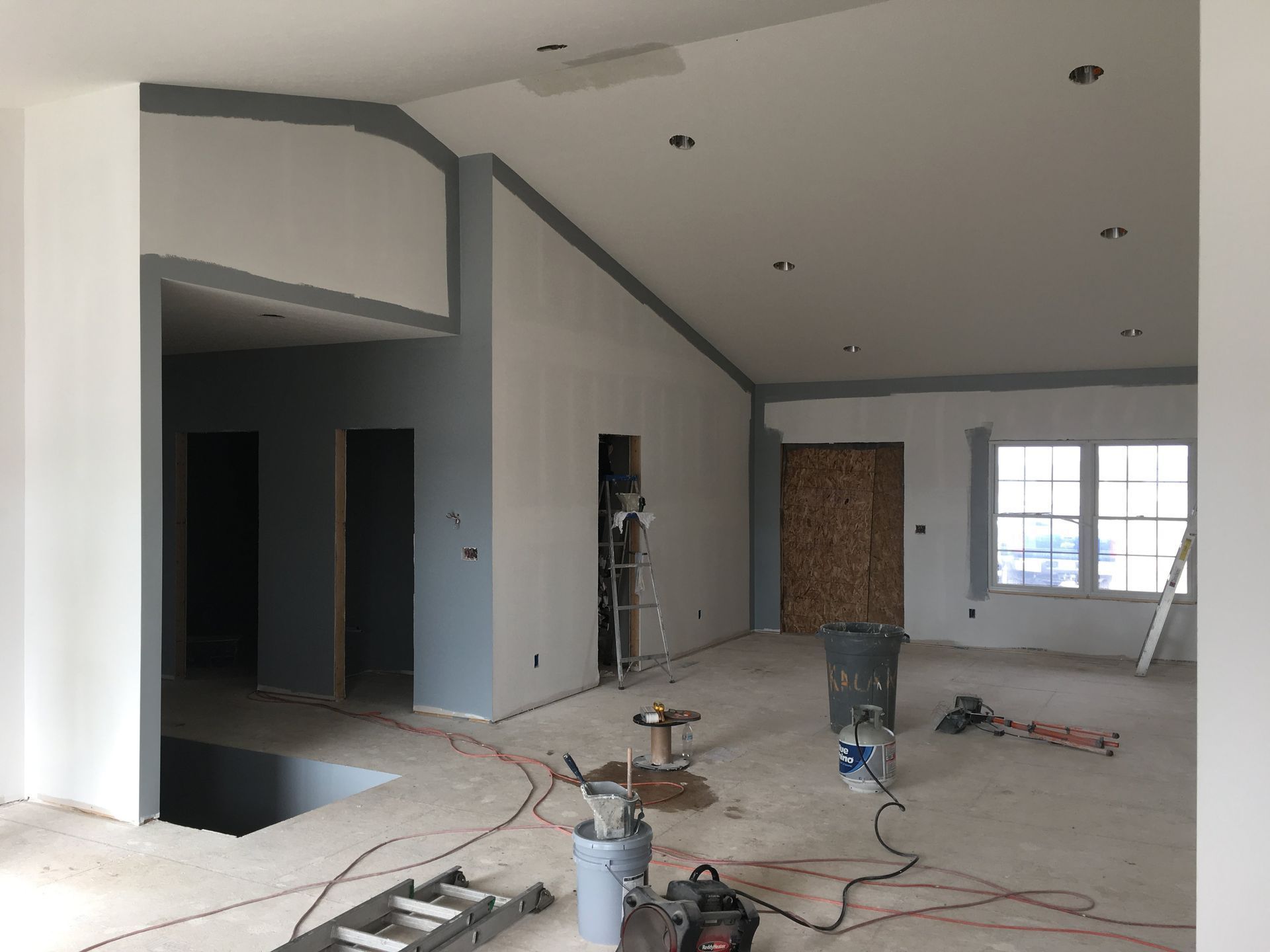
• Special features such as vaulted ceilings or intricate trim


Accurate estimates are provided after detailed site visits.

Should I Choose the Lowest Bid?

Not always. A significantly low bid may indicate poor-quality materials, inadequate preparation, or inexperienced labor. A reliable estimate reflects fair pricing, detailed preparation steps, and the use of high-quality products. It’s important to consider value—not just cost.

How Can I Verify a Painter’s Credibility?

Look for licensing, insurance, customer reviews, and experience. A trustworthy painter will offer a written contract, provide references, and outline clear expectations for the project.

6. Maintenance, Longevity, and Common Concerns

How Long Should Interior and Exterior Paint Last?

Interior paint typically lasts 5–10 years depending on traffic, surface conditions, and maintenance. Exterior paint varies more widely, typically lasting 5–7 years due to environmental exposure. Quality paint and proper preparation significantly extend these timelines.

How Do I Maintain Painted Surfaces?

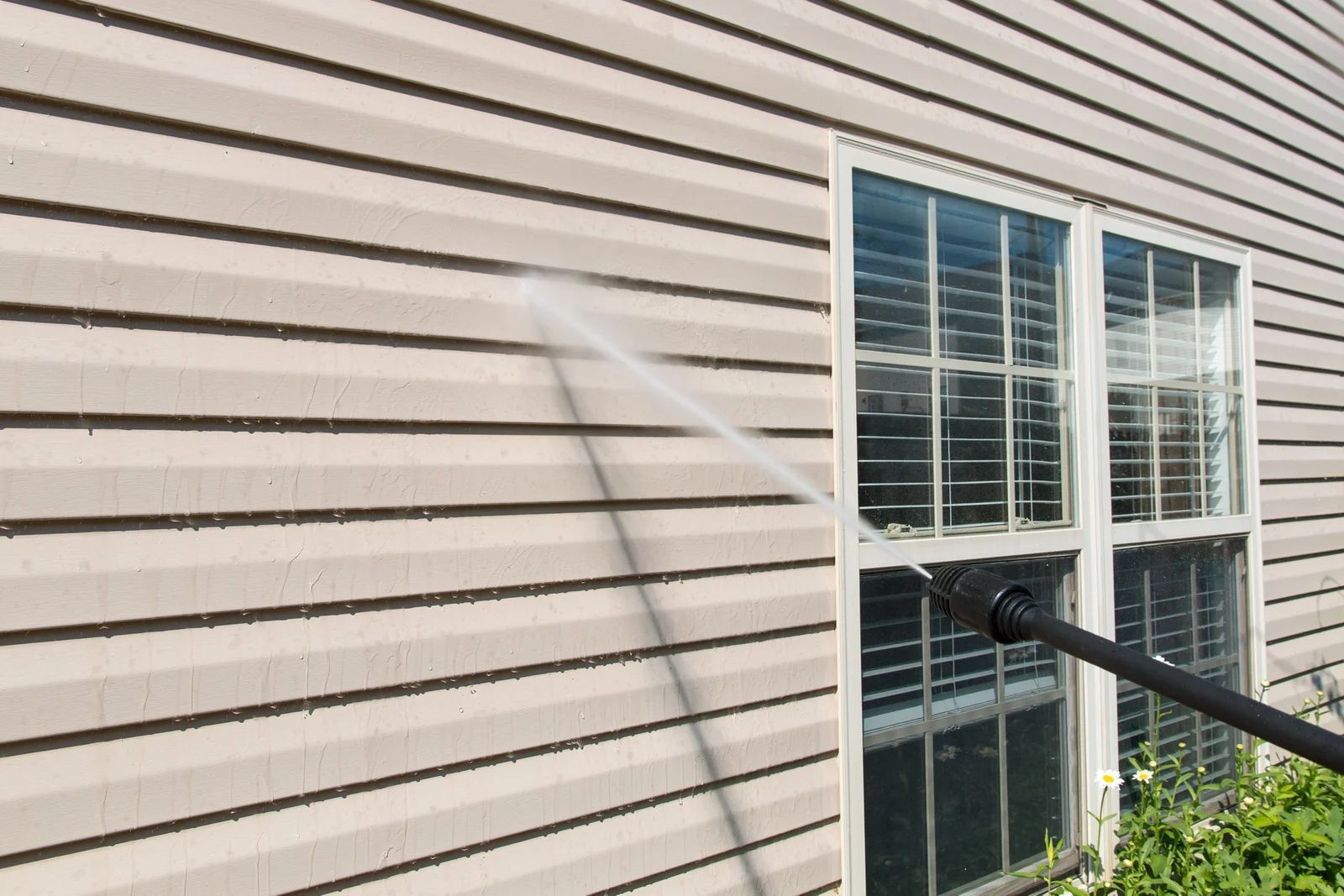
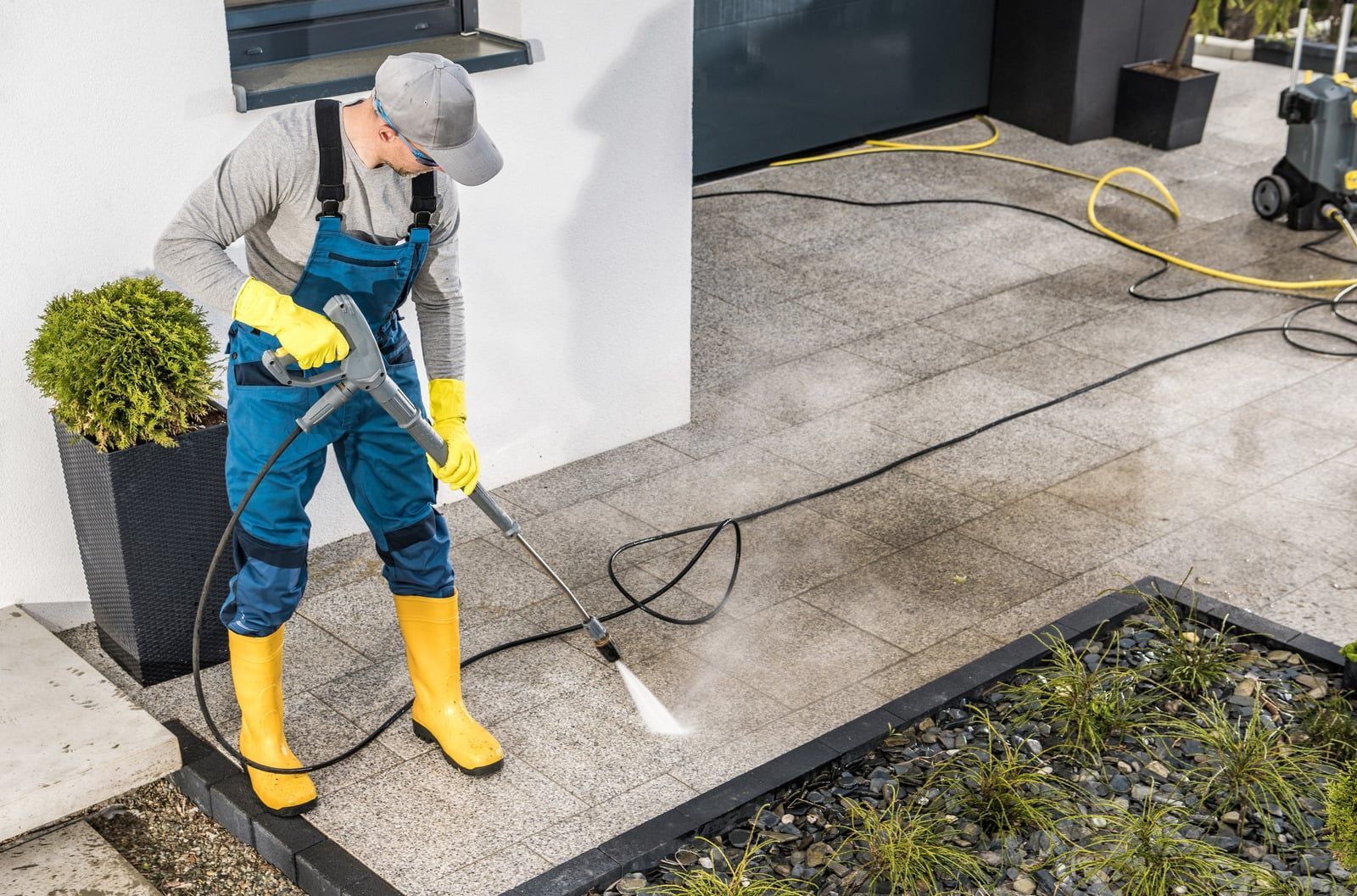
Regular dusting, gentle cleaning with mild soap, and avoiding harsh chemicals help preserve the finish. Exterior surfaces may benefit from periodic power washing to remove dirt, mildew, and grime.

What if I Notice Peeling, Bubbling, or Cracking?

These issues often indicate moisture problems, insufficient preparation, or aging paint. Consult a professional promptly to prevent worsening damage. Addressing the underlying cause—such as leaks or poor ventilation—is essential for long-term success.

7. Eco-Friendly Painting Options and Safety Considerations

  • Are Low-VOC or Zero-VOC Paints Worth It?

    Low-VOC and zero-VOC paints have become increasingly popular as homeowners prioritize healthier indoor environments. These formulations significantly reduce harmful fumes and odors, making them ideal for households with children, pets, or respiratory concerns. They also minimize environmental impact without compromising durability or coverage.

  • How Do I Ensure a Safe Painting Environment?

    Proper ventilation is essential during interior painting. Opening windows, running fans, and allowing adequate curing time helps maintain air quality. Professionals also use protective gear, dust-control techniques, and safe disposal methods for old paint, solvents, and debris.

  • What Eco-Friendly Options Are Available Today?

    Many manufacturers now offer sustainable paint lines made from natural pigments, recycled materials, and bio-based components. These paints provide excellent performance while reducing environmental footprint.

8. Troubleshooting and Avoiding Common Painting Mistakes

Why Does Paint Sometimes Look Uneven or Patchy?

Uneven color often occurs when surfaces are not primed correctly or when low-quality paint is used. Insufficient mixing or applying too little paint may also create patchiness. This issue is preventable with proper preparation and high-quality products.

What Causes Roller Marks or Lap Lines?

Roller marks typically appear when paint begins to dry before adjoining sections are blended. Working in small sections and maintaining a wet edge helps achieve a smoother finish.

How Can Homeowners Avoid Future Peeling or Cracking?

Preventing peeling begins with correcting underlying issues such as moisture intrusion, inadequate surface prep, or painting over glossy surfaces without scuffing. Proper priming and choosing paint designed for the specific surface type are essential steps.


Residential painting is one of the most impactful and cost-effective ways to enhance your home’s appearance, comfort, and value. Understanding common questions about preparation, paint selection, finishes, scheduling, and maintenance empowers homeowners to make informed decisions. Whether planning an interior makeover or an exterior refresh, having clarity on these factors ensures the project goes smoothly and the results last for years. With the right expectations and a focus on quality, residential painting can transform spaces with remarkable efficiency.

Achieving Lasting Results With Proper Painting Knowledge

For homeowners seeking dependable, top-quality painting solutions, partnering with an experienced professional makes all the difference. Butz Painting Service Inc., based in Lafayette, IN, brings 20 years of hands-on expertise to every residential project. The company is committed to craftsmanship, reliability, and customer-focused service. With extensive knowledge of surface preparation, premium paint products, and detailed application techniques, the team ensures every home receives a durable and visually appealing finish. Their experience allows them to handle a wide range of projects, from simple room repaints to full exterior restorations, always maintaining a standard of excellence. Clients trust us for transparent communication, careful protection of property, and results that stand the test of time. Whether you’re refreshing your home’s interior or improving curb appeal outdoors, their proven approach delivers exceptional value. Choosing a seasoned painting provider ensures confidence, quality, and lasting beauty—every step of the way.

Two people painting an interior wall with a roller and brush.
January 10, 2026
When homeowners in Lafayette think about increasing their property value, upgrades like kitchen remodels, bathroom improvements, or landscaping enhancements often come to mind first. While those changes certainly matter,
Room being painted, with white walls, window, ladder, and covered furniture.
December 20, 2025
Home painting projects can dramatically improve a property’s appearance, but they also require careful planning to avoid unwanted mess, damage, or disruption.
Empty room with blue walls, hardwood floor, white trim, windows, and a mounted TV bracket.
November 15, 2025
Choosing the right paint finish can transform the look and feel of any room. While color often takes center stage, the finish of your paint plays an equally crucial role in determining aesthetics, durability, and ease of maintenance.
Gymnasium interior during renovation: Workers on scaffolding and ladders, painting walls.
October 9, 2025
A successful paint job is more than just choosing the right color or type of paint—it starts with what lies beneath. Proper surface preparation is the backbone of any high-quality painting project, whether it's interior or exterior. Skipping or rushing this step can lead to uneven coverage,
People painting a two-tone blue and beige house on a sunny day. Green grass and ladders.
September 15, 2025
When it’s time to refresh your home’s interior or exterior with a fresh coat of paint, homeowners are often faced with one big decision—should you do it yourself or hire a professional painter? While the DIY route may seem like a budget-friendly and satisfying challenge,
Yellow two-story house with white trim, covered porch, and green lawn; sunny day.
August 21, 2025
When it comes to exterior painting, the quality of your finish doesn’t just depend on the type of paint or how well it’s applied—it also depends on the climate. In Indiana, the ever-changing weather conditions play a significant role in the wear and tear of your home’s exterior paint.
July 22, 2025
As 2025 unfolds, interior painting trends are bringing fresh inspiration to Lafayette homeowners eager to update their living spaces.
A large house with red shutters on the windows
June 14, 2025
Your home’s exterior paint is more than just a cosmetic choice — it protects your walls from harsh weather, prevents damage, and boosts curb appeal.