How Pressure Washing Can Instantly Refresh Your Home’s Exterior
June 17, 2026
Your home's exterior takes a beating every single day. UV rays break down surface coatings, rainwater carries organic residue into every crack, and airborne pollutants settle into siding, concrete, and wood over months and years. What starts as a light layer of grime becomes something far more stubborn, and most homeowners don't notice the slow decline until the curb appeal has already suffered.
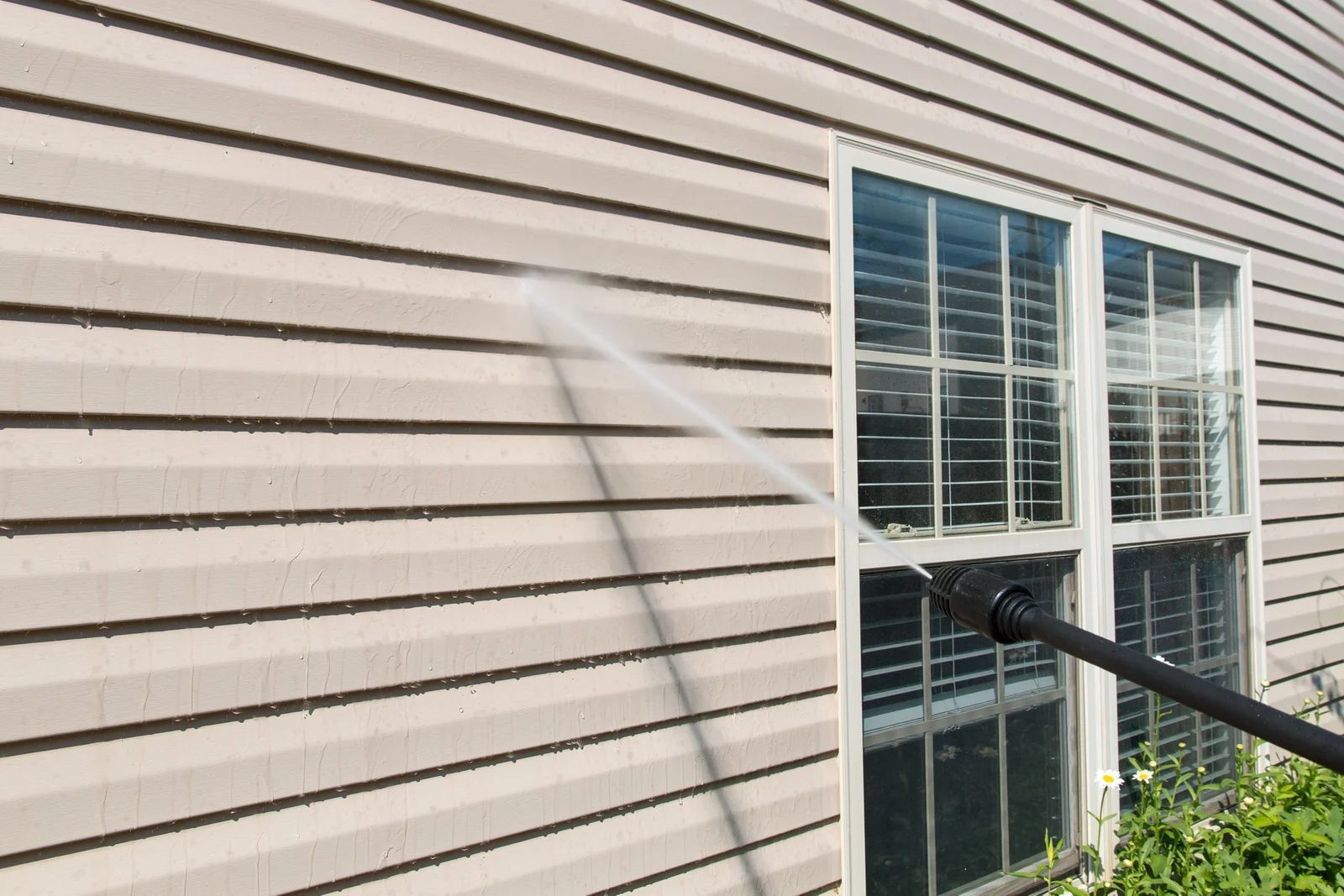
Pressure washing is one of the most practical and immediate ways to reverse that damage. Unlike painting or renovation projects that demand weeks of planning and preparation, pressure washing produces visible results within hours. It strips away mold, mildew, algae, dirt, oil stains, and oxidation from nearly every exterior surface on a property. For homeowners looking to maintain their investment, prepare a home for sale, or simply restore pride in how their property looks, pressure washing delivers a level of transformation that few other single services can match. This blog breaks down exactly how the process works, what it addresses, and why scheduling a professional wash is one of the most worthwhile decisions a homeowner can make.
What Pressure Washing Actually Does to a Surface
The Science Behind the Clean
Pressure washing works by forcing water through a narrow nozzle at high velocity, generating a concentrated stream that physically disrupts and removes contaminants from surfaces. The pressure is measured in PSI (pounds per square inch), and the volume of water delivered is measured in GPM (gallons per minute). Together, these two figures determine the cleaning power of any given setup.
Different surfaces require different pressure levels. Concrete driveways and sidewalks can handle higher PSI without risk of damage. Wood decks, painted siding, and window frames require lower pressure combined with the right detergent to lift stains without gouging or stripping. This is why surface knowledge matters so much. A single pressure setting applied across an entire property can damage softer materials while barely touching hardened stains on dense concrete.
What It Removes That You Cannot See Clearly
Visible grime is only part of the problem. Mold spores, algae colonies, and mildew develop in areas that receive moisture and limited sunlight. These organisms don't just look bad. They actively degrade the surfaces they colonize. Algae hold moisture against wood and siding, accelerating rot. Mold penetrates porous materials and can cause structural softening over time. Pressure washing, when done with the correct chemical pre-treatment, kills these organisms at the root rather than simply displacing them.
The Surfaces That Benefit Most
Driveways and Concrete Walkways
Concrete is porous, which means oil, tire marks, fertilizer runoff, and organic staining sink into the surface rather than sitting on top of it. Standard hosing and scrubbing rarely lifts this kind of embedded contamination. A professional pressure wash with a surface cleaner attachment covers the entire driveway in even passes, pulling staining out of the pores and restoring the original concrete color. The visual difference on a stained driveway is often dramatic.
Siding, Whether Vinyl, Wood, or Fiber Cement
Siding accumulates dirt in horizontal channels and along the base where splash-back from rain deposits a constant stream of soil. Vinyl siding also develops oxidation, a chalky residue that forms when UV rays break down the surface layer. Pressure washing with a low-pressure rinse and appropriate detergent lifts this oxidation and restores the original color without requiring any repainting. Wood siding requires more care, but when washed at the right PSI, it can look renewed without raising the grain or forcing water behind panels.
Decks and Patios
Wood decks are particularly vulnerable to algae and mildew because they hold moisture. The surface becomes slippery, discolored, and eventually starts to gray and crack. Pressure washing a deck before applying a new coat of sealant or stain is not optional. Any coating applied over contaminated wood will fail prematurely because it cannot bond properly to a surface covered in organic matter. A clean deck holds its protective coating far longer, making washing an investment in the longevity of any subsequent treatment.
Fences and Exterior Trim
Fences take on years of weathering without most homeowners giving them much attention. A wooden fence that looks gray and worn often needs nothing more than a proper wash to reveal the natural wood tone underneath. The same applies to exterior trim around windows and doors. Clean trim makes the entire facade look sharper without any painting involved.
Why Professional Pressure Washing Outperforms DIY
Equipment Matters More Than Most People Realize
Consumer-grade pressure washers available at hardware stores typically produce between 1,500 and 2,000 PSI. Professional equipment starts at 3,000 PSI and goes significantly higher, with much greater water volume. That difference in output is not just about speed. It determines whether deeply embedded staining can actually be removed or whether the cleaning simply moves surface-level dirt around. Beyond the machine itself, professionals use commercial-grade detergents, rotating surface cleaners, and extension wands that reach second-story surfaces without ladder risk.
Soft Washing for Sensitive Surfaces
Many professional pressure washing services also offer soft washing, a technique that uses very low water pressure combined with a high-concentration cleaning solution. Soft washing is the appropriate method for roof surfaces, painted wood, stucco, and older siding where high pressure would cause damage. The chemical solution does the work rather than the water force, killing biological growth and allowing it to rinse away. Homeowners who attempt pressure washing roofs with standard equipment often strip granules from shingles, voiding manufacturer warranties and reducing the roof's lifespan.
Liability and Surface Damage Risks
Incorrect pressure washing can crack mortar joints in brick, strip paint from wood, gouge softer stone, and force water behind siding where it cannot escape and causes rot. A professional understands which surfaces need which approach and carries insurance to cover any damage that might occur during the job. For homeowners, renting equipment and attempting unfamiliar techniques on expensive siding or an aging deck introduces real financial risk.
The Connection Between Pressure Washing and Home Maintenance
- Protecting Your Investment Long-Term:- A home's exterior surfaces are the first line of defense against weather, moisture infiltration, and biological damage. Paint, sealant, and caulk all degrade faster when contaminated surfaces are left uncleaned. Pressure washing removes the layer of grime and organic growth that accelerates this breakdown. Homeowners who wash their exteriors annually tend to repaint less often, reseal decks less frequently, and deal with fewer moisture-related repairs over the years.
- Preparing for Painting or Staining:- Any professional painter will tell you that surface preparation is where most paint jobs succeed or fail. Applying fresh paint over dirty, moldy, or oxidized surfaces almost always results in peeling within the first one to two years. Pressure washing before a paint job ensures proper adhesion and gives the new coating a clean, stable surface to bond with. This step alone can add years to the life of an exterior paint job.
- Pre-Sale Home Preparation:- Real estate agents frequently recommend pressure washing as one of the first steps in preparing a home for the market. Clean exteriors photograph better, make stronger first impressions during showings, and signal to buyers that the home has been maintained. The curb appeal improvement from a single day of pressure washing can shift buyer perception in ways that far outweigh the effort involved.
Best Practices Before and After a Pressure Wash
What to Do Before the Job
Close all windows and doors securely. Move outdoor furniture, potted plants, and decorative items away from work areas. Cover any electrical outlets, light fixtures, and outlets on exterior walls with plastic sheeting. If the home has a garden bed along the foundation, a professional will typically apply a pre-rinse to the plants before washing and a post-rinse afterward to dilute any detergent overspray.
What to Do After the Job
Allow surfaces to dry fully before scheduling any painting, staining, or sealing work. Wood surfaces need at least 48 to 72 hours in dry conditions before accepting a new coating. Inspect the cleaned surfaces for any areas where old paint has lifted, caulk has cracked, or wood shows signs of softening. A pressure wash often reveals underlying issues that were hidden under layers of grime, giving homeowners the chance to address them before they escalate.
Bringing Back Your Home's Original Exterior Appeal
Pressure washing is not simply a cleaning task. It is a maintenance practice that protects surfaces, extends the life of coatings, removes biologically active contaminants, and restores the visual quality of a home's exterior in a single service visit. The results are immediate, the surface benefits are long-lasting, and when done by professionals who understand pressure levels, detergents, and surface compatibility, the process carries virtually no risk of damage. Whether the goal is routine upkeep, pre-sale preparation, or getting a home ready for a fresh coat of paint, pressure washing belongs at the front of the plan.
At
Butz Painting Service Inc., we bring over 80 years of hands-on exterior service experience to every project we take on in Lafayette, IN. We understand that a clean surface is the foundation of every lasting paint job, which is why our exterior work always begins with thorough surface preparation. We have worked across hundreds of residential properties in the Lafayette area, and that experience has given us a precise understanding of what different surfaces need and how to treat them without causing damage. When homeowners trust us with their exterior, we treat the preparation stage with the same seriousness we bring to every brush stroke. Our reputation in Lafayette, IN has been built on results that hold up over time, and that standard starts before a single drop of paint is applied.
Frequently Asked Questions
1. How often should I pressure wash my home's exterior?
For most homes, once a year is the right frequency. Homes in heavily wooded areas or locations with high humidity may benefit from washing twice a year due to faster mold and algae accumulation on siding and surfaces.
2. Can pressure washing damage my siding?
Yes, if the wrong pressure setting is used. Vinyl and wood siding require low-pressure techniques. A professional matches the PSI and nozzle type to the surface, which removes contamination without causing gouging, lifting, or water infiltration behind panels.
3. Is it safe to pressure wash a roof?
Standard pressure washing is not appropriate for most roofing materials. Soft washing, which uses low pressure and chemical treatments, is the correct method. It kills moss, algae, and lichen without stripping granules from asphalt shingles or cracking tile surfaces.
4. How long does it take for surfaces to dry after pressure washing?
Most exterior surfaces are dry to the touch within a few hours. However, wood surfaces such as decks and siding need 48 to 72 hours of dry weather before any staining, sealing, or painting should begin to ensure proper adhesion.
5. Does pressure washing remove mold permanently?
Pressure washing removes visible mold and, when combined with an appropriate biocidal detergent, kills active spores. However, if the underlying moisture conditions are not addressed, mold can return. Fixing drainage issues and improving ventilation helps prevent regrowth after washing.
Check out Our Recent Blogs