
Protect Your Wood: When and Why You Should Stain Your Deck or Fence
Outdoor wood structures such as decks and fences are constantly exposed to environmental stress. Sunlight, rain, humidity, temperature shifts, and biological growth gradually weaken wood fibers, leading to fading, cracking, and structural decline. Without proper protection, even high-quality lumber can lose strength and visual appeal within a few seasons. This makes preventive maintenance a critical part of long-term property care for homeowners and commercial spaces alike. Wood also expands and contracts with changing weather, which increases internal stress and accelerates surface deterioration over time. Neglecting these conditions often results in irreversible damage that requires costly repairs or full replacement. Regular inspection and timely treatment help maintain stability and prevent moisture from penetrating deep into the material. Consistent care ensures that outdoor structures remain safe, functional, and visually appealing throughout seasonal changes, reducing long-term maintenance burdens significantly.
Staining a deck or fence is one of the most effective ways to extend wood life while enhancing appearance. A quality stain does more than improve color; it penetrates the surface to form a protective barrier against moisture and ultraviolet damage. Understanding when and why to apply stain helps prevent unnecessary repairs, reduces long-term maintenance costs, and preserves structural integrity. With proper timing and technique, wood surfaces can maintain durability and aesthetic value for years, even under harsh outdoor conditions. It also helps stabilize the wood surface by minimizing moisture absorption and reducing the risk of fungal growth. Over time, this protective layer slows down natural aging and keeps the material stronger for longer periods. When applied correctly, staining not only improves performance but also enhances the overall visual richness of outdoor spaces, making them more durable and visually consistent year after year.
1. Understanding Why Wood Protection Matters
Environmental Exposure and Material Breakdown
Wood is a natural material that reacts strongly to external environmental conditions such as sunlight, moisture, and temperature shifts. UV rays break down lignin, the compound responsible for strength and natural color. As this structure weakens, surfaces gradually turn gray, become brittle, and begin to splinter, while moisture accelerates decay and fungal growth internally.
Structural and Aesthetic Impact
Unprotected wood gradually loses both durability and visual appeal as exposure continues. Cracks widen across surfaces, fasteners loosen, and boards may start warping or splitting. Beyond appearance, this deterioration directly affects safety, especially in structural applications like decks and fences where stability and load-bearing performance are essential for long-term reliable use.
2. The Science Behind Wood Staining
Penetration vs Surface Coating
Unlike paint, wood stain penetrates deeply into fibers rather than forming a thick outer film. This allows the material to breathe naturally while still resisting moisture absorption. Oil-based stains offer deeper penetration and richer protection, while water-based options dry faster and produce lower odor, making them suitable for different environmental needs.
UV and Moisture Defense Mechanism
Wood stains contain pigments and protective resins that help block harmful ultraviolet radiation while reducing water absorption. This dual-action defense slows oxidation, fungal development, and surface erosion. As a result, wood maintains structural stability longer, even when exposed to harsh sunlight, rain, and fluctuating outdoor environmental conditions over extended periods.
Enhanced Grain Visibility
Staining enhances the natural grain pattern of wood rather than covering it completely like paint. This preservation of texture is highly valued in outdoor applications where natural aesthetics matter. The result is a richer, more refined appearance that highlights wood character while still delivering essential protection against environmental damage and wear.
3. When to Stain Your Deck or Fence
Ideal Seasonal Conditions
The best time for staining is during mild, dry weather conditions that support proper absorption and curing. Temperatures between 10°C and 32°C are ideal for consistent results. High humidity or rain exposure can disrupt bonding, slow drying time, and reduce the effectiveness of the protective stain layer significantly over time.
New Wood vs Aged Wood Timing
New wood requires a proper weathering period before staining so surface oils, treatments, and moisture levels stabilize. Typically, several weeks of drying are needed. Older wood should be stained when it shows increased absorption, often tested by sprinkling water; if it soaks quickly, the surface is ready for treatment.
Maintenance Intervals
Most decks and fences require restaining every 2–4 years depending on environmental exposure. Areas with strong sunlight, heavy rainfall, or seasonal fluctuations may require more frequent maintenance. Regular inspection ensures protective layers remain effective and helps prevent premature aging, surface damage, and costly structural deterioration over time.
4. Signs Your Wood Needs Immediate Staining
Fading and Color Loss
A visible shift toward gray or dull coloration indicates UV damage and breakdown of surface fibers. This fading is often the earliest sign that protective coatings have weakened. Once color loss appears, the wood becomes increasingly vulnerable to moisture penetration, surface cracking, and long-term structural deterioration if left untreated.
Water Absorption Test
A simple water test helps determine protection levels on wood surfaces. If water no longer beads and instead absorbs quickly into the material, the protective barrier has weakened. This condition exposes the wood to swelling, rot, and fungal growth, making immediate staining necessary to restore resistance and structural stability.
Surface Roughness and Splintering
When wood surfaces feel rough or show raised fibers, it indicates fiber breakdown caused by environmental exposure. This condition increases the likelihood of splintering, reducing safety and comfort. Continued neglect accelerates deterioration, making the surface more difficult to restore and increasing long-term repair requirements significantly over time.
Visible Cracks or Warping
Cracks and warping occur due to repeated expansion and contraction cycles caused by moisture and temperature changes. These structural shifts weaken internal integrity and create entry points for water damage. Staining helps regulate moisture balance, slow movement, and reduce further cracking, preserving both strength and visual stability of wood surfaces.
5. Benefits of Regular Staining Maintenance
Extended Structural Lifespan
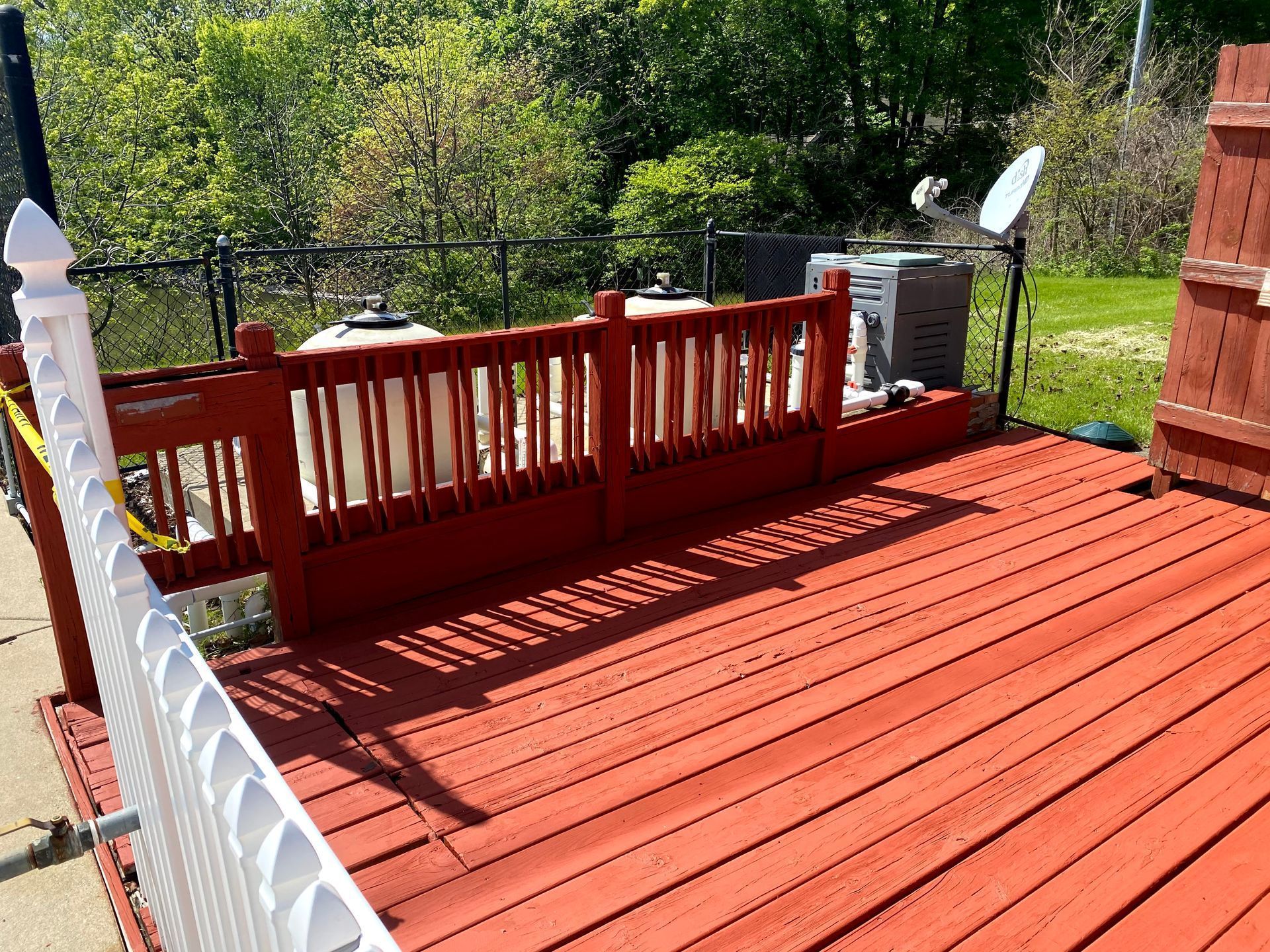
Regular staining significantly extends the lifespan of decks and fences by reducing exposure to moisture, UV rays, and environmental stress. Protected wood retains strength longer and resists premature breakdown. This proactive maintenance approach minimizes early replacement needs and ensures outdoor structures remain functional and stable for many years of use.
Reduced Repair Costs
Preventive staining reduces long-term repair expenses by addressing surface vulnerabilities early. It helps prevent rot, insect infestation, cracking, and fiber degradation. Instead of costly structural repairs, routine maintenance keeps wood in optimal condition, making it a more cost-efficient strategy for preserving outdoor installations over extended periods of environmental exposure.
Improved Safety and Usability
Well-maintained stained wood surfaces provide smoother finishes that reduce the risk of splinters and injuries. This improves usability for daily outdoor activities and ensures safer environments for families and guests. Consistent protection also prevents uneven wear, keeping walking surfaces stable, comfortable, and structurally reliable throughout seasonal changes and usage.
Enhanced Property Value
Properly maintained wood surfaces significantly improve curb appeal and overall property value. A clean, rich finish signals responsible upkeep and attention to detail. Buyers and visitors perceive well-preserved decks and fences as indicators of quality maintenance, which contributes positively to real estate attractiveness and long-term investment value retention.
6. Best Practices for Effective Wood Staining
Proper Surface Preparation
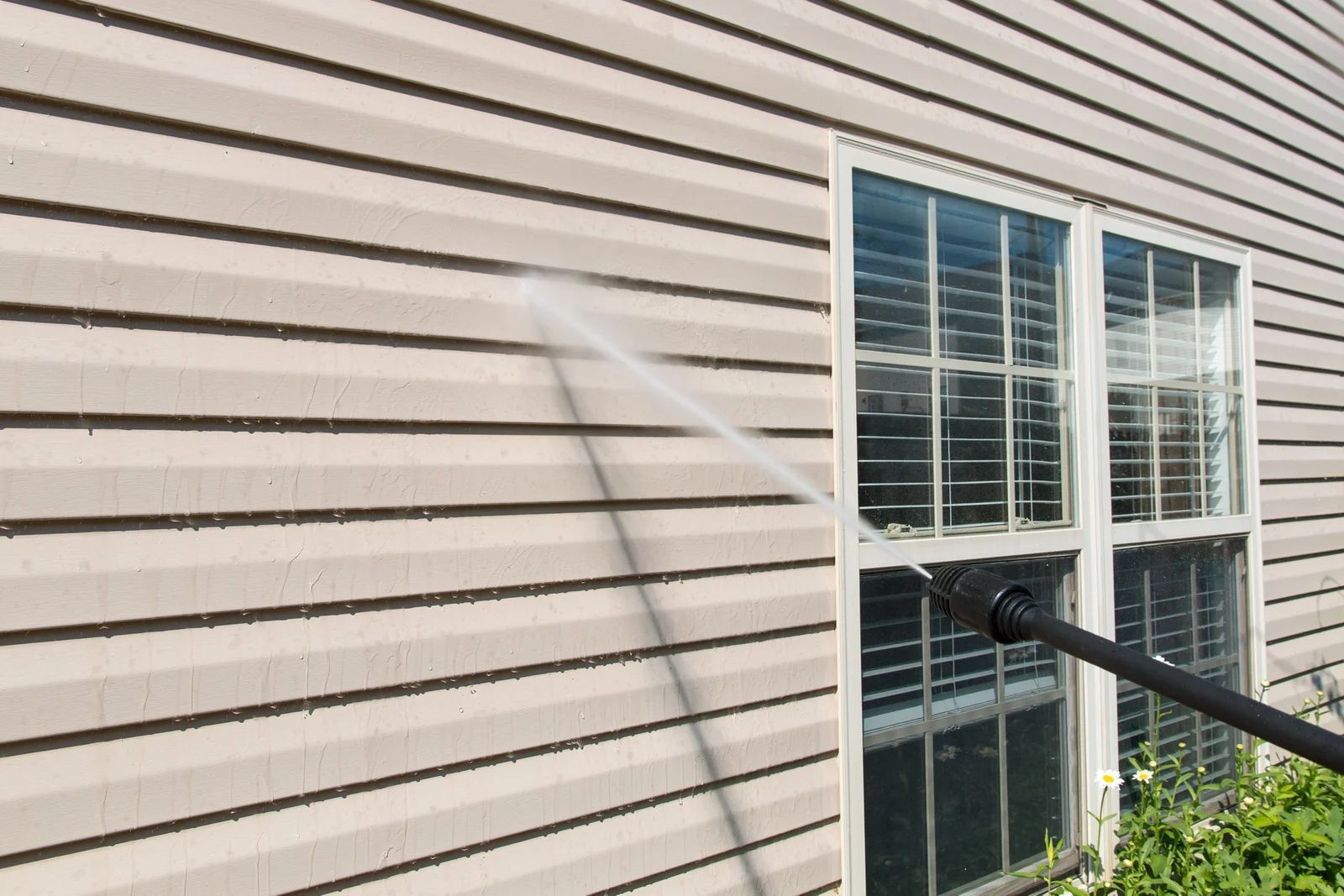
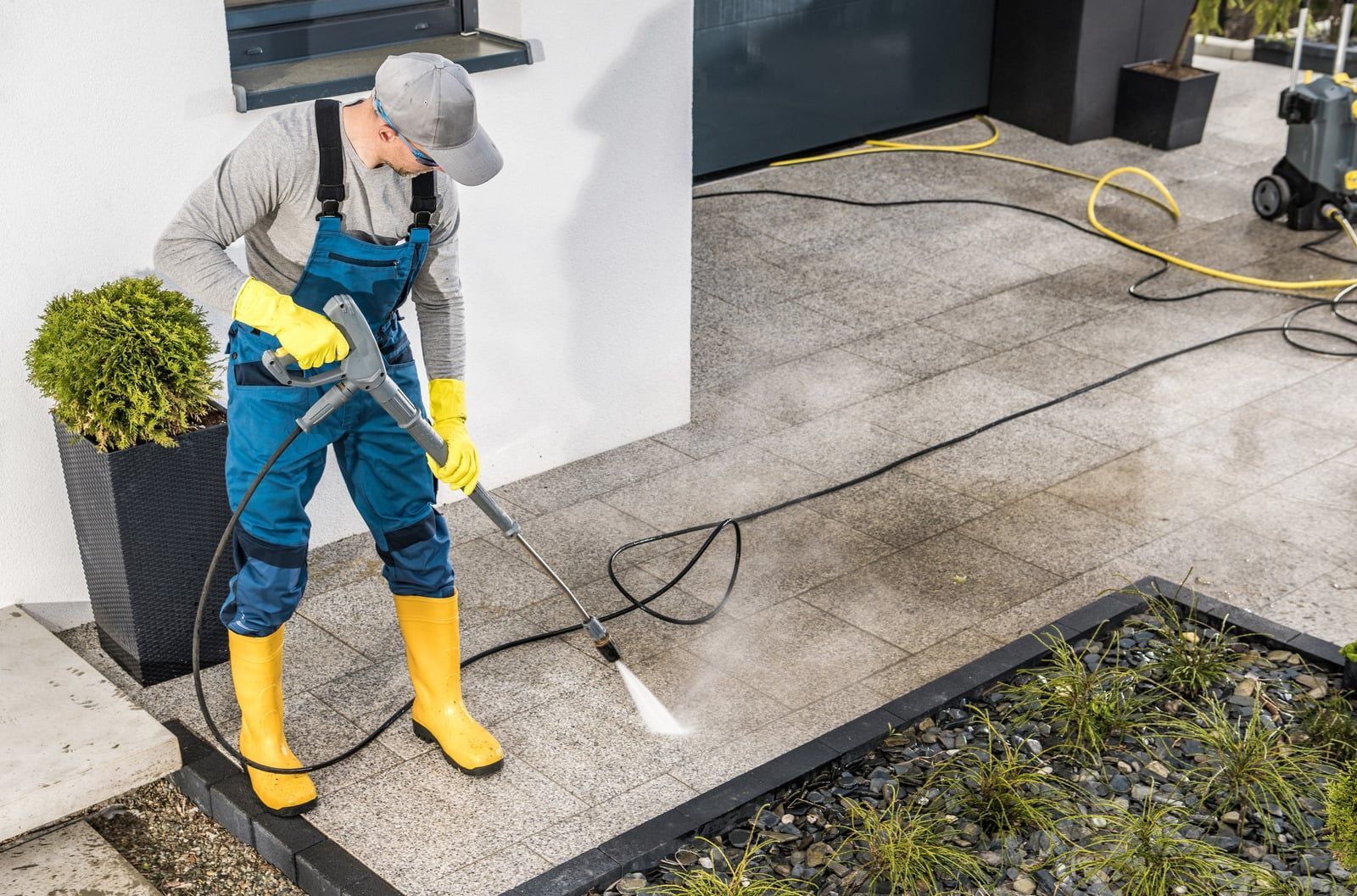
Surface preparation is essential for effective staining results. All dirt, debris, mold, and old coatings must be removed before application. Pressure washing followed by complete drying ensures proper absorption. A clean surface allows the stain to penetrate evenly, improving durability, consistency, and long-term protective performance across the entire structure.
Choosing the Right Stain Type
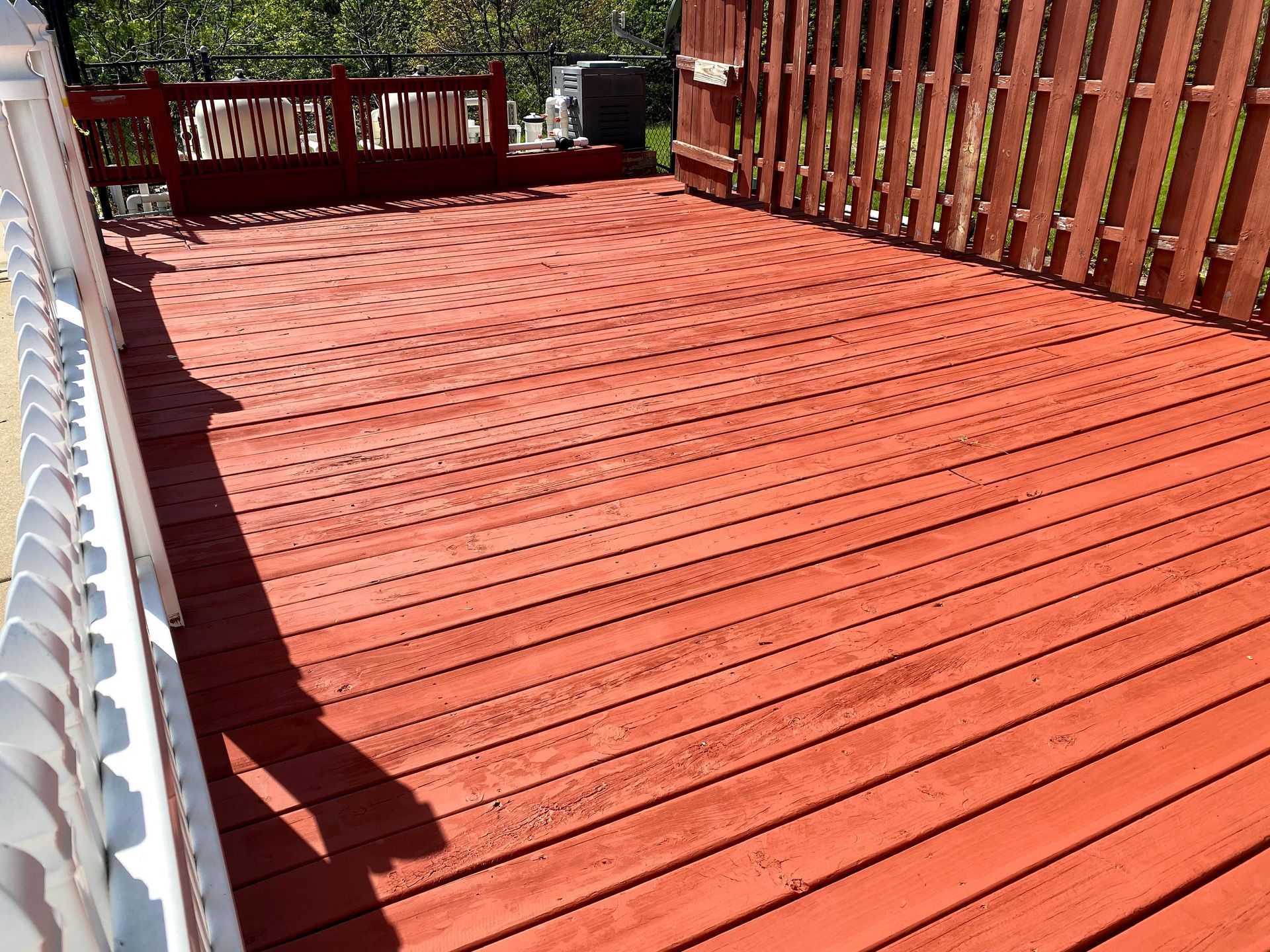
Different stain types serve different purposes depending on exposure and aesthetic needs. Transparent stains highlight natural grain, while semi-solid and solid stains provide stronger UV protection. Selection should consider environmental conditions, wood type, and desired finish, ensuring balanced performance between visual appeal and long-lasting surface protection.
Application Techniques
Proper application ensures uniform protection and avoids patchy results. Brushes, rollers, or sprayers can be used depending on surface size and texture. Applying multiple thin coats is more effective than a single heavy layer, as it improves absorption, enhances durability, and ensures even coverage across all wood surfaces.
Drying and Curing Time
Allowing adequate drying and curing time is essential for long-term performance. Premature exposure to moisture, foot traffic, or furniture placement can damage the protective layer. Proper curing ensures stain bonds effectively with wood fibers, creating a strong barrier that resists environmental damage and maintains consistent surface protection over time.
Skilled Experts Enhancing Wood Durability And Appearance
Butz Painting Service Inc., located in Lafayette, IN, brings over 20 years of hands-on experience in wood protection and exterior surface restoration. Extensive knowledge of regional climate conditions and material behavior allows us to deliver staining solutions that maximize durability and visual appeal. Every project is approached with a focus on surface integrity, proper preparation, and long-term performance rather than short-term appearance.
Our expertise in deck and fence staining ensures that each surface receives the correct treatment based on wood type, age, and exposure level. Advanced techniques combined with high-quality materials help create a protective barrier that resists moisture, UV damage, and seasonal wear. Careful assessment before application ensures optimal absorption and consistent finish results across all structures.
We prioritize precision and reliability in every stage of the process, from cleaning and sanding to final coating application. This structured approach helps extend the life of outdoor wood while maintaining its natural character. Commitment to craftsmanship and technical accuracy positions us as a dependable choice for homeowners seeking lasting protection and enhanced outdoor aesthetics.